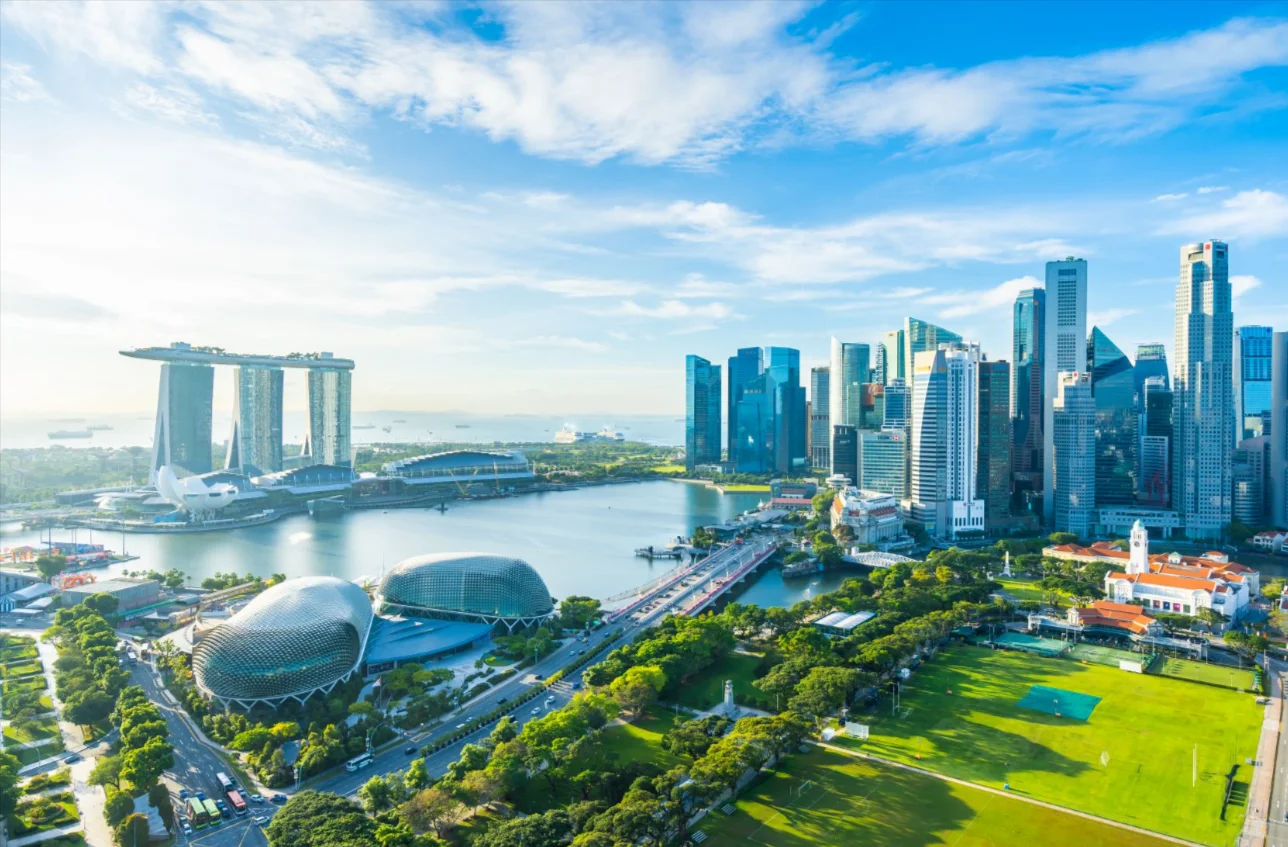
Singapore has steadily built a reputation as one of the world’s most stable and forward-looking financial centres. For investors seeking international diversification, it offers a unique combination of regulatory transparency, economic resilience, and access to global markets. Its strategic location in Asia, combined with a pro-business environment, makes it a natural gateway for those looking to expand beyond domestic portfolios.
What makes Singapore particularly compelling is not just its infrastructure, but its role as a connector between emerging and developed markets. Investors who understand how to position themselves within this ecosystem can unlock broader exposure while maintaining a disciplined approach to risk. The challenge lies in navigating opportunities with clarity and aligning them with long-term financial goals.
Why Singapore Stands Out for Global Investors
Singapore’s appeal begins with its regulatory framework, which is widely recognised for its consistency and integrity. Institutions such as its central bank and financial authorities are known for maintaining strong oversight without stifling innovation. This balance has attracted multinational corporations, asset managers, and private investors alike, reinforcing trust in the system.
Another defining feature is its tax efficiency. The absence of capital gains tax and favourable corporate tax structures makes it an attractive base for structuring investments. For global investors, this can translate into improved net returns when compared with jurisdictions that impose heavier tax burdens.
Equally important is Singapore’s connectivity. As a financial hub, it provides seamless access to markets across Asia, including rapidly growing economies. This allows investors to diversify geographically without needing to establish multiple regional bases, simplifying both operations and strategy.
Building a Diversified Portfolio Through Singapore
A well-constructed global portfolio often begins with diversification across asset classes and regions. Singapore offers access to equities, fixed income instruments, real estate investment trusts, and alternative assets, all within a single financial ecosystem. This breadth enables investors to design portfolios that are both balanced and adaptable.
One effective strategy involves using Singapore-based funds and exchange-traded products to gain exposure to regional markets. These instruments are often managed by experienced professionals who understand local dynamics, providing an added layer of insight. Investors can complement these holdings with global assets to create a more resilient portfolio.
Currency diversification is another advantage. Holding assets in different currencies can help mitigate the impact of exchange rate fluctuations over time. Singapore’s position as a major currency trading hub makes it easier to manage this aspect of portfolio construction with greater precision.
Leveraging Institutional Strength and Expertise
Singapore is home to a wide range of financial institutions, from global banks to specialised asset managers. This concentration of expertise allows investors to access high-quality advisory services and sophisticated investment products. Many of these institutions operate under internationally recognised standards, which adds an extra level of confidence.
Professional guidance can be particularly valuable when navigating complex markets or exploring alternative investments. Whether it involves private equity, hedge funds, or structured products, having access to experienced advisors can help investors make more informed decisions. For those interested in expanding their knowledge, it is always wise to read more about different strategies before committing capital.
In addition, Singapore’s emphasis on financial education and transparency means that investors are often better equipped to understand the risks and opportunities associated with their choices. This environment encourages disciplined investing rather than speculative behaviour.
Managing Risk in a Global Context
While Singapore provides access to a wide range of opportunities, risk management remains a central consideration. Global portfolios are inherently exposed to market volatility, geopolitical developments, and economic cycles. A structured approach to risk can help mitigate these factors and support long-term stability.
Diversification plays a key role, but it must be implemented thoughtfully. Allocating assets across different sectors, regions, and investment types can reduce the impact of any single downturn. Regular portfolio reviews are also essential, ensuring that allocations remain aligned with changing market conditions and personal objectives.
Aligning Investments with Long-Term Goals
Successful investing is not just about identifying opportunities, but about aligning them with clear objectives. Singapore’s financial ecosystem supports a wide range of investment horizons, from short-term trading to long-term wealth preservation. This flexibility allows investors to tailor strategies according to their individual goals.
For many, the focus is on sustainable growth. This involves selecting investments that can deliver consistent returns over time while managing downside risk. Singapore’s emphasis on innovation and sustainability has also led to the growth of sectors such as technology and green finance, offering new avenues for forward-looking investors.
It is equally important to consider personal circumstances, including risk tolerance and financial milestones. A well-aligned portfolio should reflect both current needs and future aspirations, creating a sense of direction and purpose in the investment journey.
Conclusion
Singapore’s position as a global investment hub is the result of deliberate planning, strong governance, and a commitment to innovation. For investors seeking international exposure, it offers a stable yet dynamic environment that supports a wide range of strategies. By leveraging its strengths, investors can access diverse markets while maintaining a structured approach to portfolio management.
The value of investing through Singapore lies in its ability to bridge opportunities across regions and asset classes. With careful planning, informed decision-making, and a focus on long-term objectives, investors can use this hub as a foundation for building resilient and globally diversified portfolios.